I am super excited to introduce you to the newest member of the Eli Sharp Consulting team! Meet Kristi Riedinger, our Senior Director, Operational Excellence:
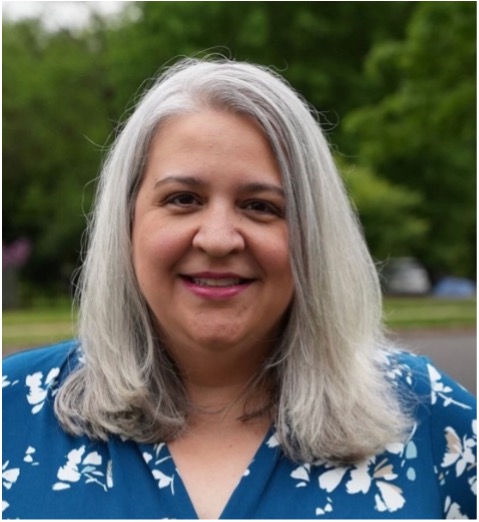
The first time I knew I wanted Kristi on my team was back in 2012 – when we hired her into the Corporate CI team at Becton Dickinson. She was exceptional then. She is even better now. It just took a little patience – and the right moment – to make it happen!
Kristi brings 25+ years of deep operational excellence expertise across global medical device, pharmaceutical, and chemical manufacturing networks. And critically, she brings something I have wanted on this team for a long time: a Lean Six Sigma Master Black Belt. This raises the bar on what ESC can deliver in training, mentoring, and building lasting capability inside our clients’ organizations. See our website for Kristi’s full bio.
Theory
Building lasting capability – the kind that outlasts any single engagement – requires more than good consulting. It requires structured skill transfer. Lean Six Sigma provides exactly that: a rigorous, proven methodology for developing problem-solvers at every level of an organization.
Most organizations stop at one of three levels:
- They bring in consultants to solve problems for them
- They train people in tools but not in how to think
- Or they build genuine, certified internal capability that keeps working long after the consultant has left
The third is the only one that compounds. And it requires a Master Black Belt.
My thoughts
Here’s what I have been sitting with since Kristi joined the team: knowing exactly what you need – and being willing to wait for the right person to deliver it – is its own kind of discipline.
I have always known ESC needed this capability. What I have learned is:
- There is a real difference between “I could make this work” and “This is genuinely the right person for this.”
- Patience is not the same as waiting. It means staying clear on the standard while you look.
- When the right person arrives, you know it immediately. We have worked together before. The trust is already built.
What Kristi brings is not just credentials. It is a track record of actually doing the work: training 250+ belts, eliminating $40M backlogs, and building CI capability that sticks. That is exactly what our clients need when we leave the Gemba.
How to
So what does it look like to build this kind of lasting capability inside your organization? Here’s the framework:
1. Define the level of capability you actually need. Not what you can afford or what’s convenient – what the work genuinely requires.
2. Distinguish tools training from capability building. Sending people on a course is not the same as developing practitioners who can lead improvement independently.
3. Identify your internal champions. Every organization has people ready to step into this role. Find them. Invest in them.
4. Structure the development. Belt certification exists for a reason. It creates a common language, a shared method, and a measurable standard.
5. Measure sustainability, not just outcomes. The real test is not what improves while you’re there – it’s what keeps improving after you leave.
Call to action!
Look at your continuous improvement efforts. Are you building capability – or dependency? Is your organization getting better at solving problems, or just better at calling for help?
Let’s build teams that keep getting better long after we’re gone!
Want to catch up on any newsletters you may have missed? Check them out here.
Enjoying this newsletter? Share it!
Received this email from a friend or want to learn more?
Click the link here to visit our website, sign up, or book a meeting.
Eli Sharp.
